The Ultimate Shinkansen Guide: Everything You Need to Know About Japan's Bullet Trains

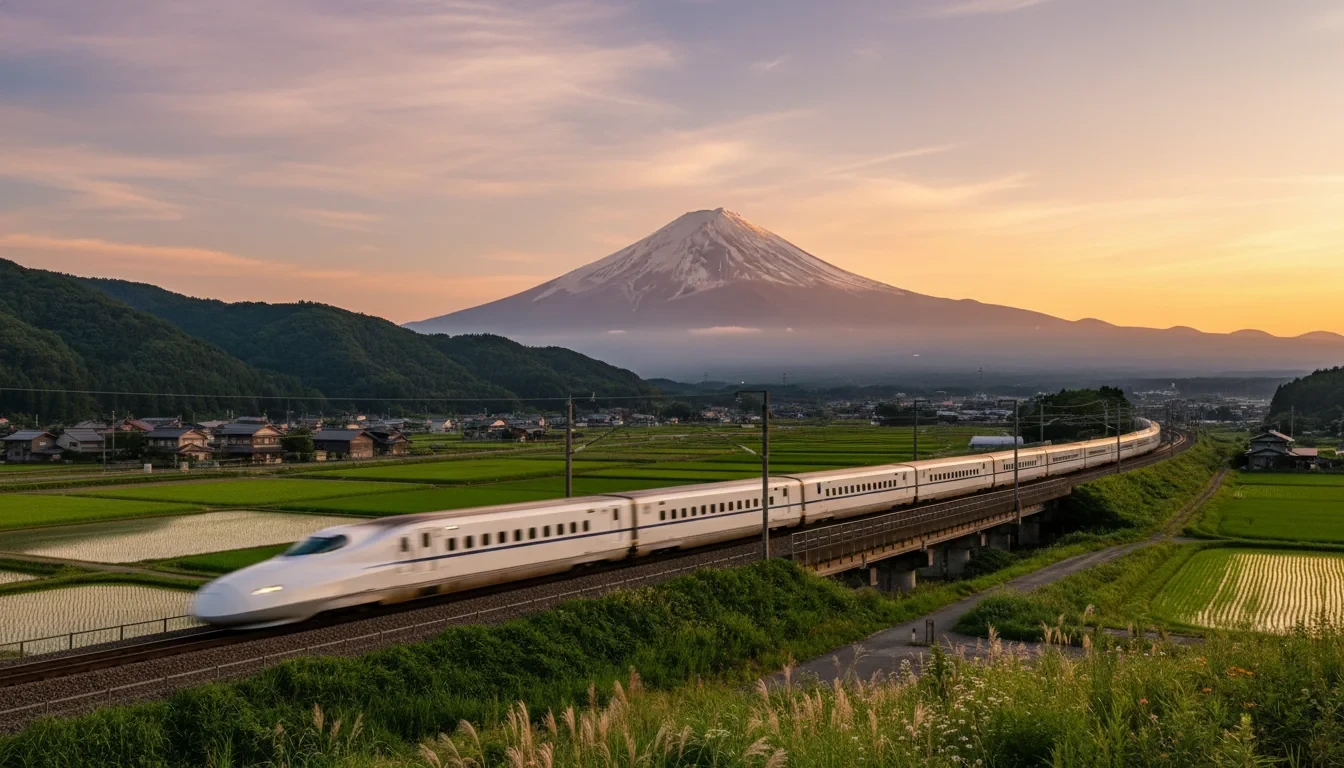
The Shinkansen (新幹線), globally recognized as the "bullet train," represents the pinnacle of high-speed rail engineering. More than a mere mode of transportation, it serves as a vital artery for Japan's economy and a global benchmark for railway efficiency, technological integration, and operational reliability. Since its debut, it has transformed the concept of long-distance travel, blending extreme velocity with a flawless safety record.
Operated by the Japan Railways (JR) Group, the Shinkansen runs on a dedicated network of high-speed tracks, physically separated from conventional narrow-gauge lines to ensure maximum throughput and safety. This "dedicated track" philosophy allows the rolling stock to maintain high speeds without interference from slower local freight or commuter services, contributing to its legendary status in the transit industry.
Core Pillars of the Shinkansen System
1. Engineering Speed and Chronometric Punctuality
Inaugurated in 1964 to coincide with the Tokyo Olympics, the Shinkansen revolutionized the rail industry. Current flagship models, such as the E5, E6, and N700S series, operate at commercial speeds of up to 320 km/h (200 mph). Perhaps more impressive is its "chronometric" precision; the system is world-renowned for punctuality, with the average annual delay per train often cited at less than 60 seconds, even amidst Japan's complex weather patterns.
2. Unrivaled Safety and Seismic Resilience
The Shinkansen boasts an impeccable safety record, with zero passenger fatalities due to derailments or collisions in over 50 years of operation. This is achieved through the Automatic Train Control (ATC) system and an advanced Urgent Earthquake Detection and Alarm System (UrEDAS), which can automatically bring trains to a halt the moment a seismic tremor is detected.
3. Passenger Comfort and the "Ekiben" Tradition
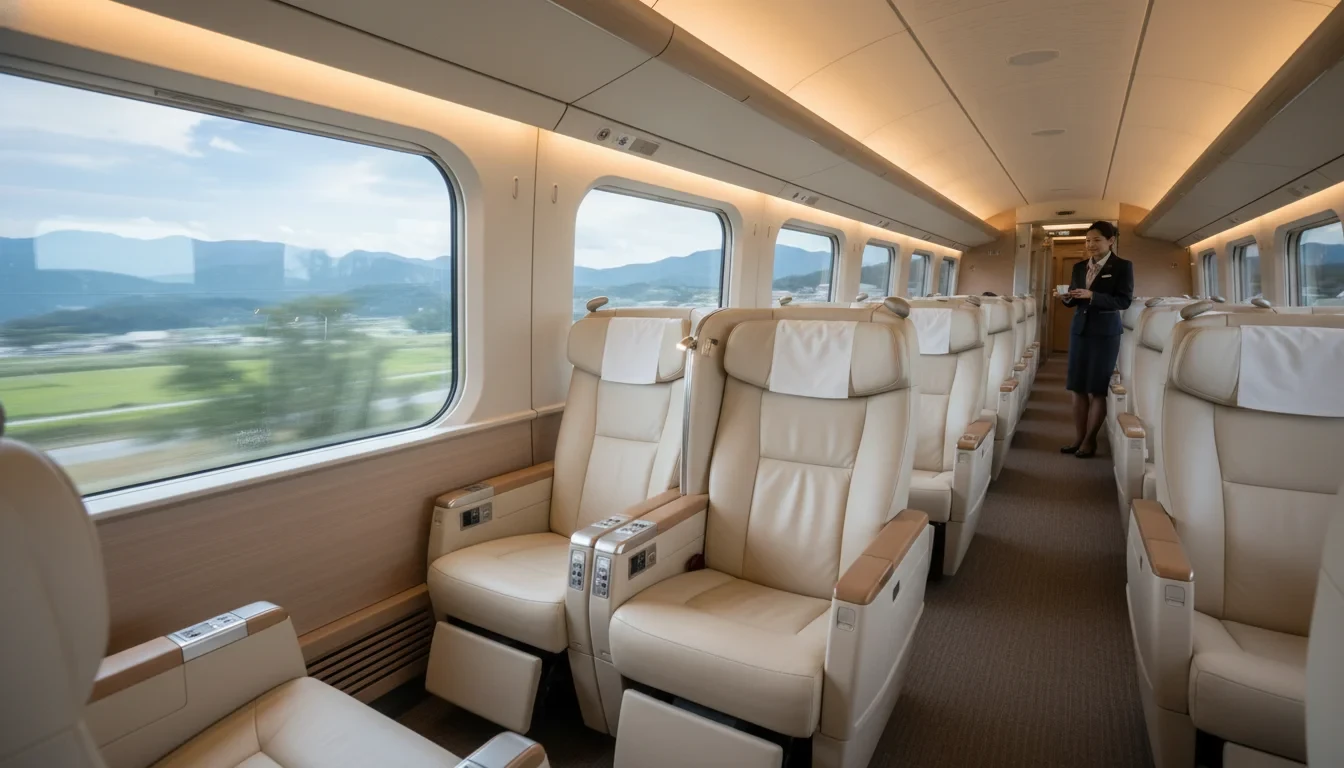
The onboard experience is designed for maximum ergonomics. Passengers benefit from spacious legroom, rotatable seats, and a pressurized cabin for a quiet, smooth ride. A unique cultural highlight of the journey is the Ekiben—regionally themed station lunchboxes that reflect the local flavors of the prefectures the train traverses.
Service Classes: Tailoring the Travel Experience
To accommodate diverse traveler needs, the Shinkansen offers three distinct tiers of service, each maintaining high standards of cleanliness and comfort:
Seamless Ticketing via Japantrain.net
Navigating the Japanese rail system is streamlined through Japantrain.net. Travelers can choose between Reserved Seats (Shiteiseki), which guarantee a specific spot in a designated car, and Non-Reserved Seats (Jiyuseki), which offer greater flexibility for spontaneous itineraries. With high-frequency departures on major corridors, booking your Japan Shinkansen tickets on Japantrain.net ensures a stress-free transition from the airport to your final destination.
The Global Standard: Major Shinkansen Lines
The extensive Shinkansen infrastructure connects the four main islands of Japan through several primary corridors:
Shinkansen FAQ: Essential Information for Travelers
How fast does the Shinkansen actually travel?
While the design speeds are higher, the maximum operating speed for passengers is currently 320 km/h (200 mph) on the Tohoku line. On the Tokaido line, trains typically operate at 285 km/h (177 mph).
Is dining permitted on the train?
Yes. Unlike local commuter trains, eating and drinking are an integral part of the Shinkansen experience. Most long-distance trains feature mobile snack carts, and all major stations sell a variety of refreshments and Ekiben.
Is Wi-Fi available on board?
Most modern rolling stock (specifically the N700S and E5/E6/E7 series) provides free "Shinkansen Free Wi-Fi." While reliable for browsing, performance may vary when passing through tunnels in mountainous regions.
Frequently Asked Questions
Q: What is the Shinkansen?
A: The Shinkansen is Japan's high-speed rail network, operated by the Japan Railways (JR) Group, known globally as the bullet train for its speed and efficiency.
Q: How fast is the Japan bullet train?
A: Flagship models like the E5, E6, and N700S series operate at commercial speeds of up to 320 km/h (200 mph).
Q: Is the Shinkansen punctual?
A: The Shinkansen is famous for its extreme punctuality, with an average annual delay per train of less than 60 seconds.